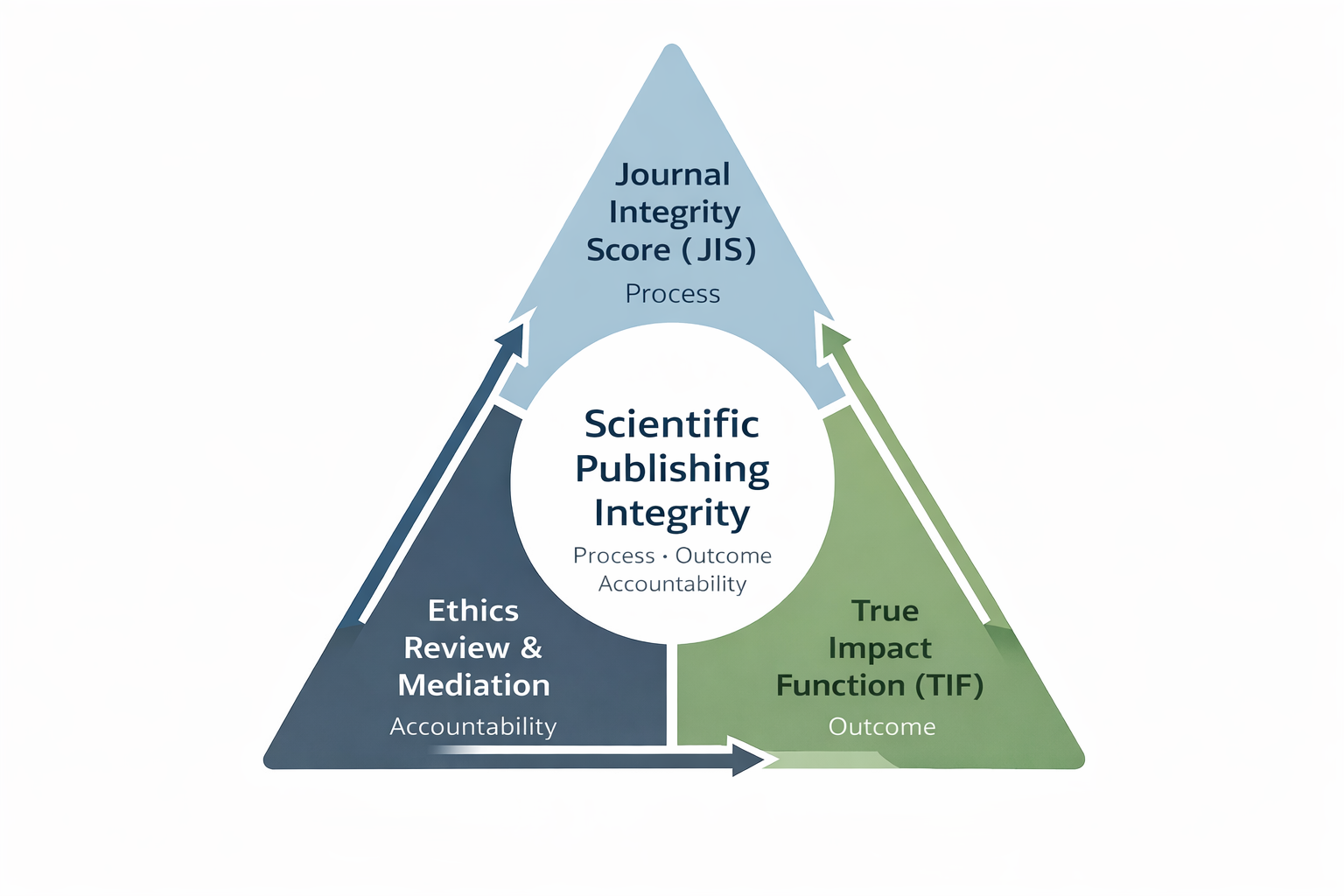
A structured, neutral pathway for disputes involving authors, reviewers, editors, journals, and publishers.
Ignatius Journal Services™ provides an independent forum for nonbinding, evidence-based review when ordinary internal channels have been exhausted, when a case appears procedurally compromised, or when the parties seek a neutral scholarly assessment. The purpose is not adversarial escalation. It is careful review, proportionality, and a reasoned written outcome.
This page outlines a proposed independent service for disputes arising in scholarly publishing. It is intended for situations in which a participant believes that a decision, process, or sanction warrants external review on procedural or ethical grounds.
The framework is intended to encourage fairness without public spectacle, and to promote correction without unnecessary reputational damage.
The requesting party submits a concise statement of dispute, the relevant correspondence, governing policies if available, and a timeline of events. An initial triage review considers scope, completeness, and whether external review is appropriate.
Additional materials may be requested from the parties. Technical or field-specific questions may, where needed, be informed by confidential subject-matter input or policy review.
Where a consensual resolution appears possible, the matter may proceed through a mediated exchange. Where that is not feasible, the case may proceed directly to independent ethical and procedural review.
IJS may issue a written, nonbinding recommendation summarizing the record reviewed, the ethical and procedural considerations, and any recommended corrective path, such as reconsideration, clarification, correction, or closure.
A focused summary of what happened, what outcome is being challenged, and what remedy is sought.
Relevant emails, reviewer reports, editorial letters, invoices if applicable, policy screenshots, and manuscript history.
Key dates, including submission, decisions, appeals, requested corrections, sanctions, and responses from the journal or publisher.
The proposed mediation and ethics-review framework is advisory unless all participating parties separately agree to a binding arrangement. Nothing on this page should be interpreted as legal representation, legal adjudication, or a substitute for institutional or judicial processes where those are required.
IJS aims to provide an independent scholarly assessment. It does not presume misconduct merely because a dispute exists, and it does not treat every editorial disagreement as an ethics case. The standard is reasoned review grounded in evidence, process, and proportionality.
For authors, reviewers, editors, or journals initiating a dispute-review request.
A formal communication stating that a case has entered independent review and identifying the materials requested.
For journals requesting review of a posted JIS score or a change in status based on verified policy changes or corrected records.